Buying a Commercial Property in Ontario? What to Investigate Before You Commit
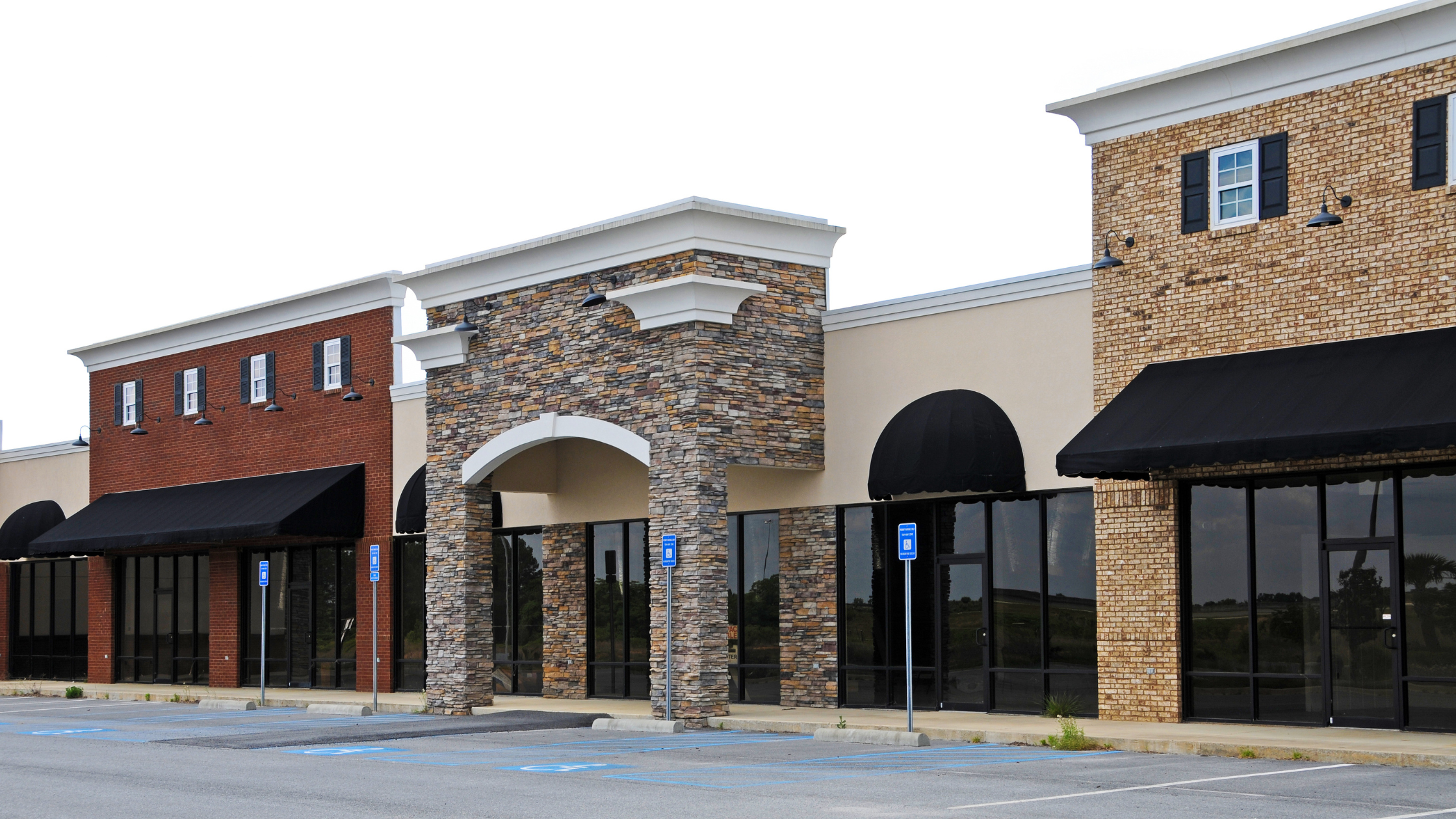
A commercial property may look like the right investment on paper.
The location works. The numbers appear reasonable. The property seems suitable for the buyer’s business or investment plans.
Then the legal review begins.
A title search reveals an easement across part of the property. The buyer learns that their intended use may require municipal approval. An existing tenant has renewal rights that extend beyond the expected timeline. Financing is conditional on issues the buyer had not considered when negotiating the deal.
Commercial real estate transactions can involve layers of risk that are not obvious during a showing or initial financial review.
For Ontario buyers, due diligence is the process of finding those issues before they become obligations attached to a completed purchase.
Start With the Intended Use
One of the first questions a commercial buyer should answer is straightforward:
What exactly do you intend to do with the property?
That answer affects much of the legal review that follows.
A property that works for one commercial purpose may not work for another. A buyer may intend to operate a business, lease the space to tenants, redevelop the site or hold it as a long-term investment.
The purchase should therefore be reviewed based on the buyer’s actual plan, not simply the property’s current use.
Imagine a purchaser acquires a commercial building intending to convert part of it for a new business operation.
The building itself may be suitable, but zoning, parking requirements, municipal approvals or existing restrictions could affect the proposed use.
Discovering that after the transaction has closed puts the buyer in a very different position than identifying it during due diligence.
Review What Is Registered on Title
A commercial buyer is not purchasing only the physical building and land.
They are also taking title subject to certain registered interests that may affect the property.
A title search may disclose mortgages, easements, rights-of-way, restrictive covenants, liens and other registrations.
Some will be routine.
Others can affect development plans, financing or use of the property.
An easement, for example, may give a utility provider or neighbouring owner rights over part of the land. A restrictive covenant may limit certain uses or construction. A registered mortgage will generally need to be addressed as part of the closing arrangements unless the transaction provides otherwise.
The important question is not simply, “Is there anything on title?”
It is, “Does anything on title interfere with what the buyer intends to do?”
That distinction is especially significant for commercial properties, where future redevelopment or operational plans may depend on the buyer having access to particular parts of the site.
Levy Zavet’s real estate practice includes Ontario commercial and residential transactions as well as land assembly and development matters.
Confirm Zoning and Permitted Use
A buyer should not assume that an existing building can legally accommodate every business use that appears physically possible.
Municipal zoning can regulate how land and buildings may be used.
A purchaser planning to operate a restaurant, professional office, retail business, medical clinic, manufacturing operation or another commercial use may need to determine that the intended activity is permitted at the property.
The existing use can also raise questions.
Is it legally permitted?
Were any required approvals obtained?
Do building alterations comply with applicable requirements?
If the buyer plans redevelopment, are additional municipal approvals likely to be required?
These questions can affect the value of the transaction.
A property purchased for a specific business purpose may be considerably less useful to the buyer if that purpose cannot be carried out without a zoning amendment, minor variance or other approval.
This is why intended use should be considered before conditions in the agreement are waived.
Existing Leases Can Change the Deal
A property occupied by commercial tenants requires another layer of review.
The leases may determine how much income the property generates, but they also establish legal rights and obligations that can continue after ownership changes.
A buyer may need to understand:
- the length of each lease and any renewal options;
- rent and additional rent obligations;
- security deposits;
- maintenance and repair responsibilities;
- tenant inducements or allowances;
- rights of first refusal or other special provisions;
- outstanding landlord or tenant obligations.
A rent roll provides useful financial information, but it should not replace review of the actual lease documents.
Suppose a buyer acquires a building intending to occupy one unit when the tenant’s term expires next year.
The lease contains a five-year renewal option.
That single provision could materially change the buyer’s plan.
Commercial landlord and tenant issues are part of Levy Zavet’s real estate practice, including disputes involving commercial tenancies.
Review the Agreement of Purchase and Sale Carefully
The commercial Agreement of Purchase and Sale establishes much of the legal framework for the transaction.
In a residential deal, buyers may be familiar with standard forms and relatively short conditional periods.
Commercial agreements are often more heavily negotiated.
The agreement may address due diligence periods, financing, environmental review, representations and warranties, existing leases, title matters, vacant possession, adjustments, closing documents and other transaction-specific issues.
Conditions can be particularly important.
A buyer may need sufficient time to conduct searches, review leases, obtain financing or investigate the property’s condition.
If those conditions are waived before the buyer has completed the necessary review, it may become much more difficult to withdraw if an issue later appears.
The agreement should therefore reflect the actual investigation the buyer intends to complete.
Financing Should Be Considered Early
Commercial financing can depend on more than the buyer’s creditworthiness.
The lender may also assess the property itself, expected rental income, existing leases, valuation, environmental issues and other factors associated with the security.
A buyer who assumes financing will fall into place after the agreement is signed may encounter problems if the lender requires additional information or imposes conditions that cannot be satisfied before closing.
Private financing may introduce another set of considerations, including lender fees, interest provisions, security requirements, guarantees and enforcement terms.
The financing timeline should therefore be coordinated with the purchase agreement.
A buyer does not want to become unconditionally obligated to close and only then discover that the lender will not advance the required funds on the expected terms.
Environmental Issues Can Carry Significant Consequences
Environmental due diligence can be particularly important in commercial and industrial transactions.
Historical use of the property may matter as much as its current appearance.
A site that once contained a gas station, dry-cleaning operation, manufacturing facility or another potentially contaminating use may require additional investigation.
The need for environmental reports will depend on the property, its history, the buyer’s plans and the lender’s requirements.
The issue extends beyond the cost of cleaning up contamination.
Environmental concerns can affect financing, redevelopment, future resale and the buyer’s ability to use the property as intended.
This is one area where legal, environmental and financial due diligence may need to work together.
Property Taxes and Other Financial Obligations
The purchase price is only one part of the property’s financial picture.
Commercial buyers should understand the property taxes and other ongoing costs associated with ownership.
Depending on the transaction, adjustments may also be required at closing for items such as rent, taxes and other expenses.
If tenants occupy the property, the leases may determine which costs can be passed through to them and which remain the landlord’s responsibility.
Those details affect the actual economics of the investment.
A building with attractive rental income can become less appealing if the buyer has misunderstood operating expenses or assumed that tenants are responsible for costs that the lease leaves with the landlord.
Levy Zavet also advises on property tax matters involving commercial and residential property in Ontario.
Do Not Ignore Off-Title Issues
Not every relevant issue appears on the parcel register.
Depending on the property, additional searches or inquiries may be appropriate.
These can relate to municipal matters, building permits, utility arrangements, work orders or other issues associated with the land and improvements.
A title search tells an important part of the story, but commercial due diligence should be shaped by the property itself.
A newer office condominium may raise different concerns than an older industrial site.
A leased retail plaza requires a different review than vacant development land.
The goal is not to perform every conceivable search.
It is to identify which inquiries are needed to understand the specific property being purchased.
Corporate Structure Can Matter Too
Many commercial properties are purchased through corporations rather than directly by individuals.
That raises another question before closing:
Which entity should actually acquire the property?
The ownership structure can have implications for financing, liability, future transactions and tax planning.
In some cases, buyers may also be acquiring shares of a corporation that owns real estate rather than purchasing the property directly.
That is a very different transaction.
The buyer is no longer reviewing only the land. They may also need to investigate the corporation’s contracts, liabilities, financial obligations and other business matters.
Commercial real estate and business structuring should therefore be considered together where the transaction requires it.
Levy Zavet advises clients on real estate, business setup and commercial transactions, including purchases, sales and financing arrangements.
Due Diligence Has a Deadline
One of the most important features of commercial due diligence is that it usually takes place within a defined period.
The buyer may have only a certain number of days to complete investigations and decide if they are prepared to proceed.
That creates pressure to coordinate multiple pieces of information at once.
Legal review may be happening while the buyer is arranging financing, obtaining inspections, reviewing leases and assessing the property’s financial performance.
If a significant issue is discovered, the agreement will determine what options remain.
The buyer may have the right to terminate the transaction under a condition, request that an issue be corrected, renegotiate certain terms or decide that the concern is acceptable.
Once conditions have been waived and the agreement becomes firm, those choices can narrow considerably.
The Cheapest Problem Is Often the One Found Before Closing
Commercial buyers sometimes approach due diligence as a final step after the important business decisions have already been made.
It should happen much earlier.
A title restriction, problematic lease or financing issue discovered before a deal becomes firm gives the buyer information they can use.
The same issue discovered after closing becomes something the new owner has to manage.
Commercial property can be an important business asset and a significant investment. The legal review should reflect the size of that commitment.
The goal is not to eliminate every possible future risk.
It is to understand what the buyer is acquiring before becoming legally and financially committed to it.
How Levy Zavet Can Help
At Levy Zavet, our real estate lawyers assist purchasers, sellers, investors, developers and lenders with commercial real estate transactions across Ontario.
Our team can assist with real estate closings, agreement review, title and off-title searches, financing considerations, commercial tenancy issues and legal matters connected with development and ownership. Levy Zavet also advises clients on commercial transactions and business structures that may form part of a property acquisition.
If you are considering purchasing commercial property, involving legal counsel before the transaction becomes firm can help identify issues while there is still an opportunity to address them. Contact us at 416-777-2244 | Toll-Free 1-877-777-8